
Colon (Bowel) Cancer
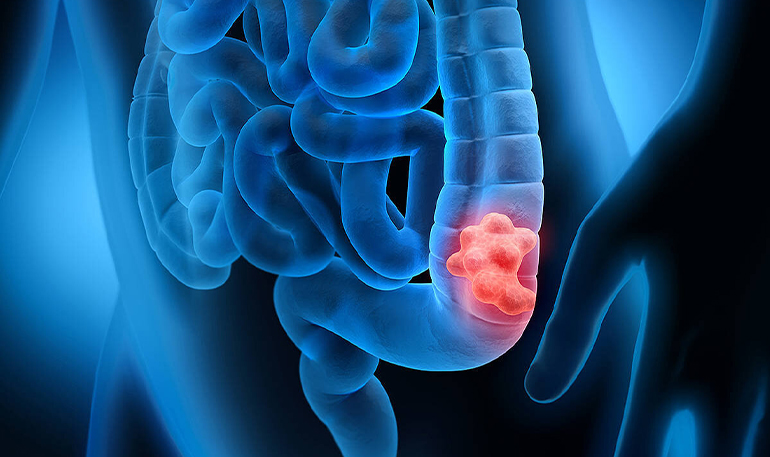
What Is Colon (Bowel) Cancer?
The colon (large intestine) includes all of its sections except the rectum, which is its final 12–15 centimeters. Together with rectal cancers, these cancers are known as colorectal cancers and are among the most common cancers worldwide. They are the most common cancers of the gastrointestinal tract.
What Causes Colon (Bowel) Cancer?
Preventable causes of colon cancer include a low-fiber diet (low in fruit and vegetables) that is high in red meat, processed meat and refined carbohydrates, physical inactivity, obesity, smoking and excessive alcohol consumption. In addition, a family history of bowel cancer or bowel polyps, familial polyposis syndromes, inflammatory bowel diseases such as ulcerative colitis or Crohn’s disease, and type 2 diabetes also increase the risk of colon cancer.
What Are the Symptoms of Colon Cancer?
The most common symptoms of bowel cancer are changes in bowel habits such as diarrhea or constipation, blood in the stool, fatigue (usually due to anemia), weight loss and, in later stages, abdominal pain and a palpable mass in the abdomen.
Can Colon Cancer Be Prevented?
Adopting a healthy lifestyle is extremely important in preventing colorectal cancer. Alongside a high-fiber (rich in fruit and vegetables), low-fat diet, regular exercise and avoiding smoking and excessive alcohol, regular screening tests are also important.
For early diagnosis, screening is recommended from age 45 in the United States. In Türkiye, the screening program starts at age 50. Screening may begin earlier for people with a family history of colon (bowel) or rectal cancer or other risk factors.
Screening essentially consists of a physical examination, stool testing and imaging of the bowel and rectum.
- Physical examination includes a general systemic examination, an abdominal examination and a digital rectal examination.
- Fecal occult blood testing is used to detect bleeding from cancerous tissue or large polyps that has not yet caused symptoms. In addition, fecal DNA testing – not yet part of standard screening programs – can look for cancer-related changes in the genetic material (DNA) of cells shed into the stool from cancers or large polyps.
- Sigmoidoscopy examines the inner lining of the lower part of the large intestine (the rectum and sigmoid colon) using a device with a light and camera at its tip. It is recommended every 5 years together with an annual fecal occult blood test. If a polyp or other lesion is found, the entire large intestine should be examined.
- Colonoscopy examines the entire inner lining of the large intestine after proper bowel preparation, under light sedation, and allows tissue samples (biopsies) to be taken when needed. For people at average risk, it is recommended every 10 years from age 45. It is the gold standard for colorectal cancer screening.
- CT colonography involves drinking a contrast liquid; once it reaches the large intestine, air is introduced through the rectum and images are taken with computed tomography. Bowel preparation is required beforehand. If no polyps are found, it is recommended every 5 years; if a polyp is found, a colonoscopy should follow.
How Is Colon Cancer Diagnosed and Treated?
Diagnosis of colon cancer is based on a detailed medical history and general examination, a digital rectal examination, imaging of the inner lining of the bowel with a colonoscope (a device with a light and camera at its tip) and, if a polyp or cancerous tissue is suspected, endoscopic removal (biopsy) followed by examination under a microscope.
Once colon cancer is diagnosed, staging is the first step. Imaging methods such as ultrasonography (US), computed tomography (CT) or magnetic resonance imaging (MRI) are used to determine how far the disease has spread and its relationship to other organs and structures. Although cancers detected at an early stage can sometimes be removed with endoluminal procedures (from inside the bowel), avoiding major surgery, this stage has usually passed by the time patients seek care, and surgery is needed to treat the disease or relieve symptoms such as obstruction or heavy bleeding. For this reason, surgery is the main treatment for colon cancer today.
The type of surgery depends on the location and extent of the disease and whether there is disease elsewhere in the bowel. Strict adherence to oncological principles is essential for the best outcomes. Preventing the spread of tumor cells during surgery is critical. The tumor is therefore not touched; the main vessels supplying the affected segment of bowel are tied at their origin, and a wide resection is performed that includes all lymph nodes of that segment and a margin of healthy bowel, so that no visible tumor remains at the surgical margin. Achieving clear margins may require partial or complete removal of neighboring organs.
Depending on the patient’s condition and the extent of the disease, these operations can be performed using closed techniques known as minimally invasive surgery. Laparoscopic (keyhole) colon surgery is the most widely used of these today, and the same operations can also be performed robotically. Laparoscopic surgery is performed through small incisions using specialized imaging systems and instruments. Its main advantages include less postoperative pain and lower rates of wound infection and incisional hernia. Blood loss is also lower, lung function is less affected, and hospital stay and time to return to work are significantly shorter than with open surgery. However, laparoscopic colon surgery requires advanced training and should be performed by an experienced team.
Robotic colon surgery is another closed technique in which the surgeon, seated at a console separate from the operating table, uses a specialized imaging system and controls to operate the robot’s arms and camera. Contrary to popular belief, the robot does not perform the operation – the surgeon at the console does. Increasingly used today, robotic surgery offers high-quality three-dimensional vision, robotic arms that allow movements beyond the anatomical limits of the human hand, no tremor, and more precise dissection. Like laparoscopic surgery, robotic surgery requires advanced training and should be performed by an experienced team.
Ask the Doctor
+90 312 468 94 76