

Assoc. Prof. Timuçin Erol, MD
I graduated from Hacettepe University Faculty of Medicine in 2003. That same year, I began my residency in General Surgery at the Hacettepe University Department of General Surgery…
- Hacettepe University Faculty of Medicine
- Istituto Clinico Humanitas (Milan) – surgical ultrasound training
- St. Johannes Hospital (Dortmund) – laparoscopic surgery training
Featured Surgical Procedures and Treatments

Colon (Bowel) Cancer
The colon (large intestine) includes all of its sections except the rectum, which is its final 12–15 centimeters.

Rectal Cancer
Rectal cancer is a cancer of the final 12–15 centimeters of bowel that connects the large intestine to the anus, most often developing from polyps on its inner surface.

Hemorrhoidal Disease
Hemorrhoids are vascular cushions that everyone has, located at the anorectal junction – the final part of the digestive tract.

Pilonidal Sinus
Pilonidal sinus disease is a chronic condition, usually seen in the tailbone area, caused by the continuous and repeated traumatizing effect of hairs.

Perianal Abscess
A condition that usually presents with severe pain, redness and swelling in the perianal area.

Rectal Prolapse
Rectal prolapse and rectal intussusception are anatomical disorders associated with pelvic floor dysfunction.

Parastomal Hernia
A parastomal hernia is an incisional hernia associated with a stoma – the surgical opening where the bowel is brought out through the abdominal wall.
Anal Fissure
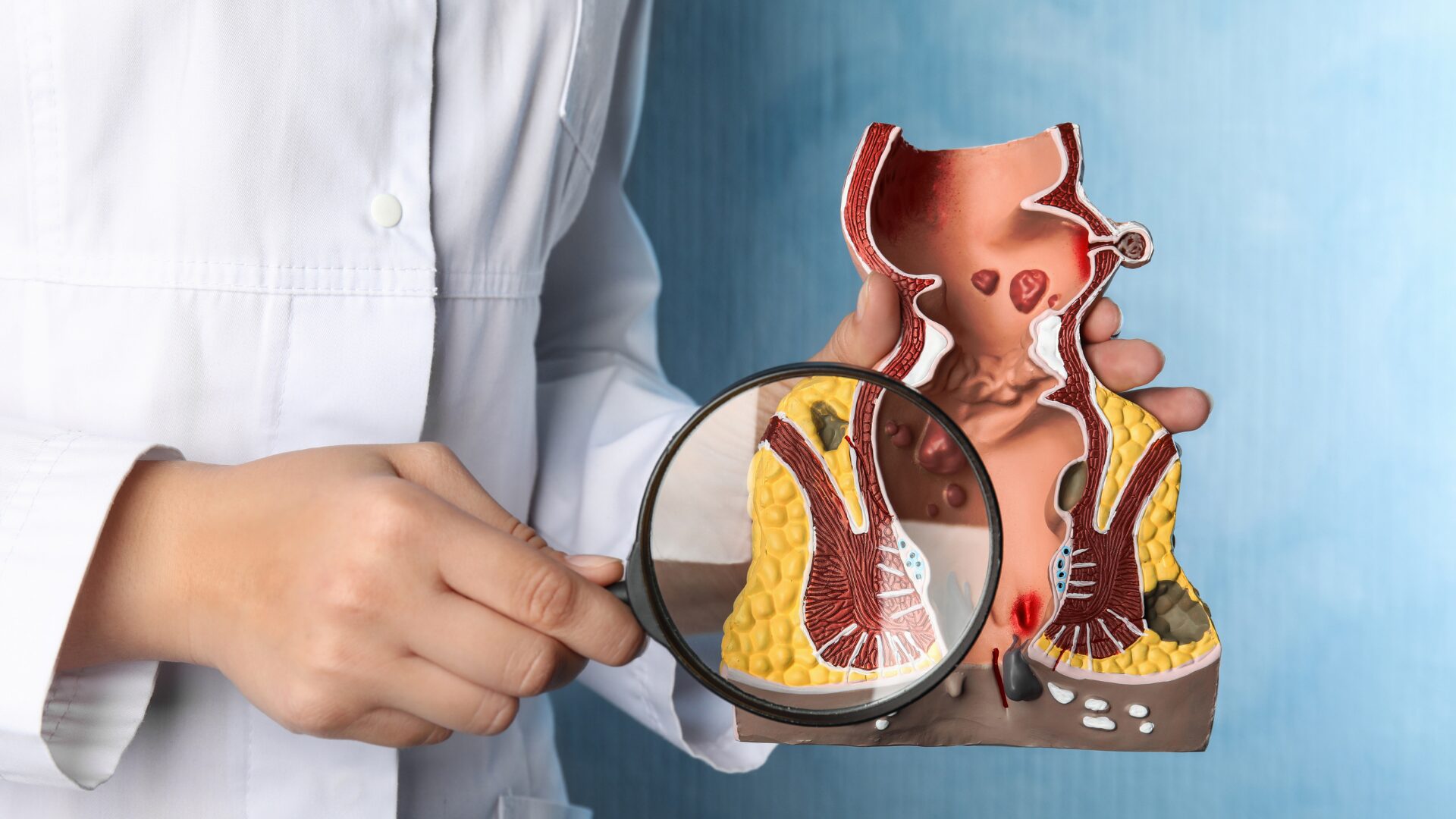
An anal fissure is a tear or sore that develops in the anal canal, the final part of the back passage.
Laparoscopic Surgery
The main advantages of laparoscopic surgery include less postoperative pain and lower rates of wound infection and incisional hernia...
The Surgical Journey
Before Surgery
After Surgery
Discharge
Talk to Your Doctor About Consultation and the Surgical Process
A perianal abscess results from an infection of the glands inside the anus and usually presents with severe pain, redness and swelling around the anus. The infection may sometimes drain on its own, but it usually requires surgical treatment.
Rectal prolapse is a condition in which the rectum (the final part of the large intestine) protrudes out through the anal canal. It is more common in women over 50, nursing home residents and people with cognitive impairment. Patients usually present with constipation, gas or fecal incontinence, bleeding, pain and a feeling of incomplete evacuation.
As with any surgical procedure, rectal prolapse surgery carries certain risks. However, modern surgical techniques and an experienced team can minimize these risks. Detailed planning before surgery is important, taking into account the patient's current condition, medical history, the surgeon's experience and the hospital's facilities.
It is a chronic infection, usually in the tailbone area, caused by hairs penetrating beneath the skin. It can periodically lead to abscesses and discharge, affecting personal hygiene and causing lost workdays in young people.
The goals of treatment are to prevent recurrence, ensure a fast recovery and achieve the best cosmetic result. Choosing the right treatment method and applying it correctly increases the chance of success, which is why it is important to consult an experienced general surgeon.
Assoc. Prof. Timuçin Erol, MD
+90 501 000 76 45
info@timucinerol.com