
Rectal Cancer
What Is Rectal Cancer?
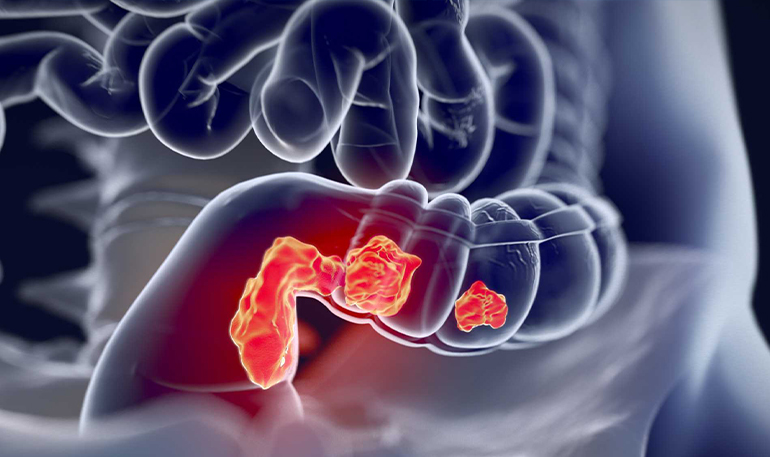
Rectal cancer is a cancer of the final 12–15 centimeters of bowel that connects the large intestine to the anus, most often developing from polyps on its inner surface. About 20% of colorectal cancers arise in the rectum. Rectal and colon cancers are considered separately mainly because their different anatomical locations call for different treatment approaches and techniques.
What Causes Rectal Cancer?
Although the exact cause of rectal cancer is unknown, recognized risk factors include older age (over 50), colon or rectal cancer in close relatives, certain familial polyposis syndromes, a history of inflammatory bowel disease (such as ulcerative colitis), bowel polyps, cancer in other organs and previous radiotherapy to the lower abdomen.
What Are the Symptoms of Rectal Cancer?
Symptoms are usually mild or vague in the early stages of rectal cancer. As the disease progresses, however, patients may notice changes in bowel habits (constipation or diarrhea), rectal bleeding or blood in the stool, changes in stool shape, lower abdominal pain or cramps, and unexplained anemia and weight loss in men and postmenopausal women.
Can Rectal Cancer Be Prevented?
Adopting a healthy lifestyle is extremely important in preventing colorectal cancer. Alongside a high-fiber (rich in fruit and vegetables), low-fat diet, regular exercise and avoiding smoking and excessive alcohol, regular screening tests are also important.
For early diagnosis, screening is recommended from age 45 in the United States. Screening may begin earlier for people with a family history of colon (bowel) or rectal cancer or other risk factors.
Screening essentially consists of a physical examination, stool testing and imaging of the bowel and rectum.
- Physical examination includes a general systemic examination and a digital rectal examination.
- Fecal occult blood testing is used to detect bleeding from cancerous tissue or large polyps that has not yet caused symptoms. In addition, fecal DNA testing – not yet part of standard screening programs – can look for cancer-related changes in the genetic material (DNA) of cells shed into the stool from cancers or large polyps.
- Sigmoidoscopy examines the inner lining of the lower part of the large intestine (the rectum and sigmoid colon) using a device with a light and camera at its tip. It is recommended every 5 years together with an annual fecal occult blood test. If a polyp or other lesion is found, the entire large intestine should be examined. Colonoscopy examines the entire inner lining of the large intestine after proper bowel preparation, under light sedation, and allows tissue samples (biopsies) to be taken when needed. For people at average risk, it is recommended every 10 years from age 45. It is the gold standard for colorectal cancer screening.
- CT colonography involves drinking a contrast liquid; once it reaches the large intestine, air is introduced through the rectum and images are taken with computed tomography. Bowel preparation is required beforehand. If no polyps are found, it is recommended every 5 years; if a polyp is found, a colonoscopy should follow.
How Is Rectal Cancer Diagnosed and Treated?
Diagnosis of rectal cancer is based on a detailed medical history and general examination, a digital rectal examination, imaging of the inner lining of the rectum and bowel with a colonoscope (a device with a light and camera at its tip) and, if a polyp or cancerous tissue is suspected, endoscopic removal (biopsy) followed by examination under a microscope.
After diagnosis, the disease must be clinically staged. In addition to chest and abdominal CT, advanced imaging such as magnetic resonance imaging (MRI) and/or endorectal ultrasonography is required. Depending on the clinical stage, patients may be offered organ-preserving treatment with local excision or endoscopic/endoluminal surgery, direct surgery, or neoadjuvant therapy with chemotherapy and/or radiotherapy before surgery.
Rectal surgery can also be performed laparoscopically or robotically. Choosing the right treatment option and performing the surgery meticulously are the most important factors affecting outcomes after rectal surgery.
Ask the Doctor
+90 312 468 94 76