
Perianal Abscess
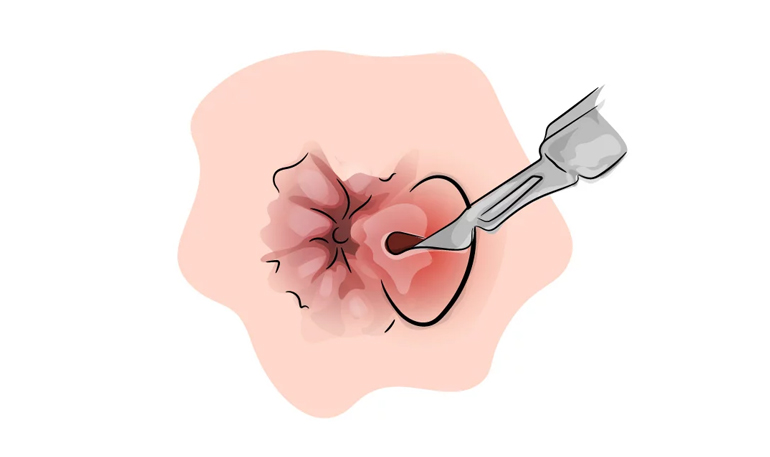
Perianal Abscess
A perianal abscess usually presents with severe pain, redness and swelling in the perianal area. This infection originates from the glands inside the anus and usually lies around the anus or between the muscles surrounding the anal canal, but it can extend toward the ovaries and vagina or even into the abdomen. The infection tracks between the muscles until it reaches the skin. It sometimes opens and drains on its own, but once a perianal abscess is diagnosed, prompt surgical treatment is required.
The abscess must be diagnosed correctly, the abscess cavity assessed accurately, drained appropriately and cleaned carefully. Imaging such as ultrasonography or magnetic resonance imaging (MRI) is sometimes needed to map perianal abscesses accurately and plan surgery. If there is an associated fistula, great care must be taken during drainage, and radical procedures that could cause gas or fecal incontinence must be avoided.
Drainage provides rapid relief of pain.
Antibiotic treatment helps prevent the infection from spreading and supports a quick recovery.
Perianal Fistula
A perianal fistula is an abnormal connection – a tunnel – between the anal canal and the skin around the anus. It usually forms after an abscess caused by infection around the anus drains on its own or is drained surgically, and generally originates from the glands inside the anal canal. It is more common in men. It may present with pain, redness and swelling around the anus, or with discharge, gas or stool coming from an opening other than the anus. Besides perianal abscesses, fistulas can develop with inflammatory bowel disease, sexually transmitted infections, tuberculosis, radiotherapy or after certain operations. Perianal fistulas are a constant source of infection and can extend into other areas, making treatment more difficult. In the long term, persistent inflammation can also lead to anal cancer.
A perianal fistula can often be diagnosed on physical examination, which shows the external opening on the skin in most patients. However, to identify the internal opening and clearly define the fistula’s course and its relationship to the sphincter – the muscles around the anus that control gas and stool – examination under anesthesia, MRI or transanal ultrasonography may be needed.
Most fistulas require surgery. Mapping the fistula completely and accurately beforehand increases the chance of success. Depending on the type of fistula, many techniques are available, ranging from simply laying open the fistula tract to more complex procedures. The main goal of diagnosis and treatment is to eliminate the fistula while avoiding any intervention that could cause gas or fecal incontinence.
Ask the Doctor
+90 312 468 94 76